Dive Deep into Memory Systems
Understanding the vital role of RAM, cache, and virtual memory in modern computing architectures.
Request Expert Memory SolutionsWhat Are Memory Systems?
Memory systems in computers are crucial for storing data temporarily and permanently to enable high-speed processing and efficient multitasking. They bridge the CPU with storage components ensuring smooth data flow.
RAM (Random Access Memory)
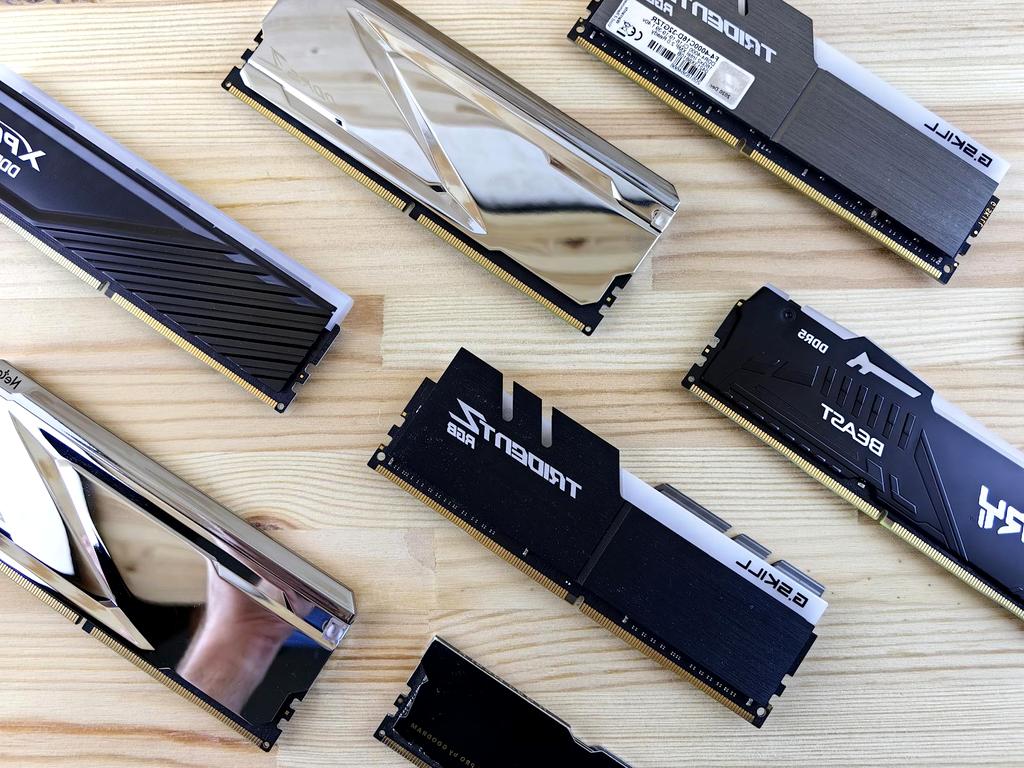
Volatile memory that temporarily stores data and instructions the CPU needs while executing tasks for fast access.
Cache Memory
A small, ultrafast memory located near the CPU that caches frequently used data and instructions to speed up processing.
Virtual Memory
A system technique that uses part of the storage drive as extended RAM to enable larger workload handling and multitasking.
Latest Advances in Memory Technology
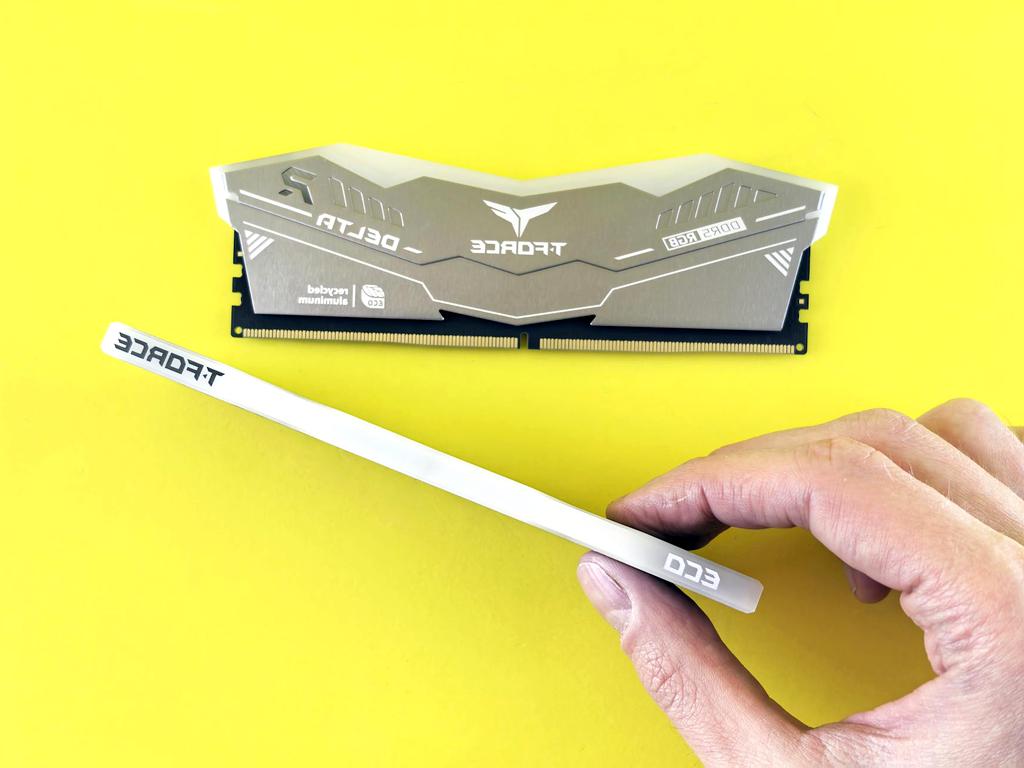
DDR5 RAM and Beyond
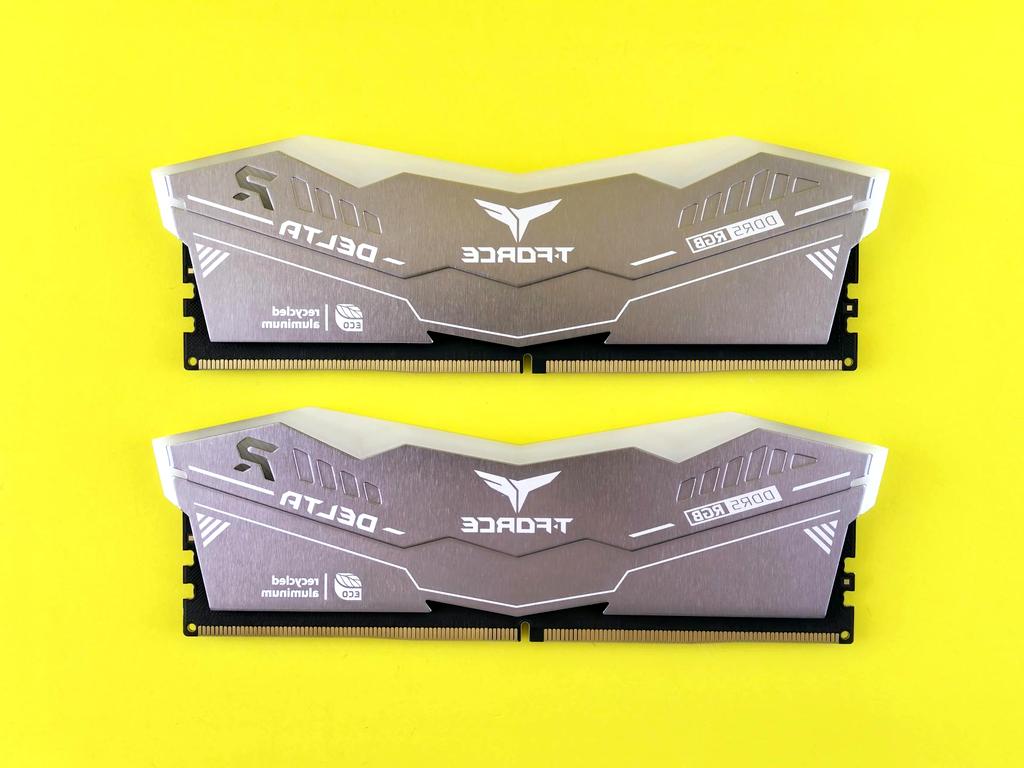
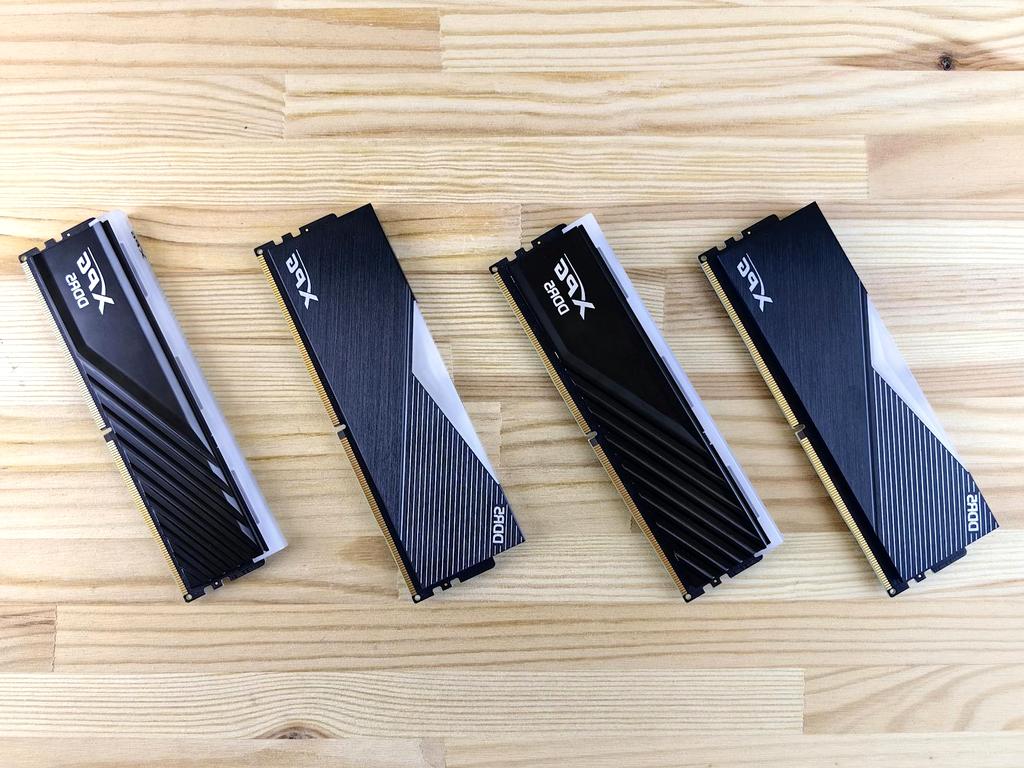
DDR5 is the latest generation of RAM designed to deliver higher speeds, improved power efficiency, and increased bandwidth compared to previous DDR4 modules. It enables faster data processing essential for AI, gaming, and high-performance computing.
In addition, emerging memory technologies like MRAM and HBM continue to push performance and energy efficiency, unlocking new computing possibilities.
Optimizing Memory Performance
Latency and Speed
Reducing memory latency and increasing clock speeds are vital for seamless CPU communication and faster program execution.
Memory Hierarchy & Cache Design
Efficient use of multi-level cache systems and smart algorithms enhances data retrieval time and overall system responsiveness.
Get Your Personalized Hardware Consultation
Connect with our quantum computing and AI hardware specialists. Receive tailored recommendations for your next-generation computing needs.
Expert Analysis
Get insights from certified quantum computing architects and AI hardware specialists
"Revolutionary quantum recommendations transformed our computing infrastructure completely."